





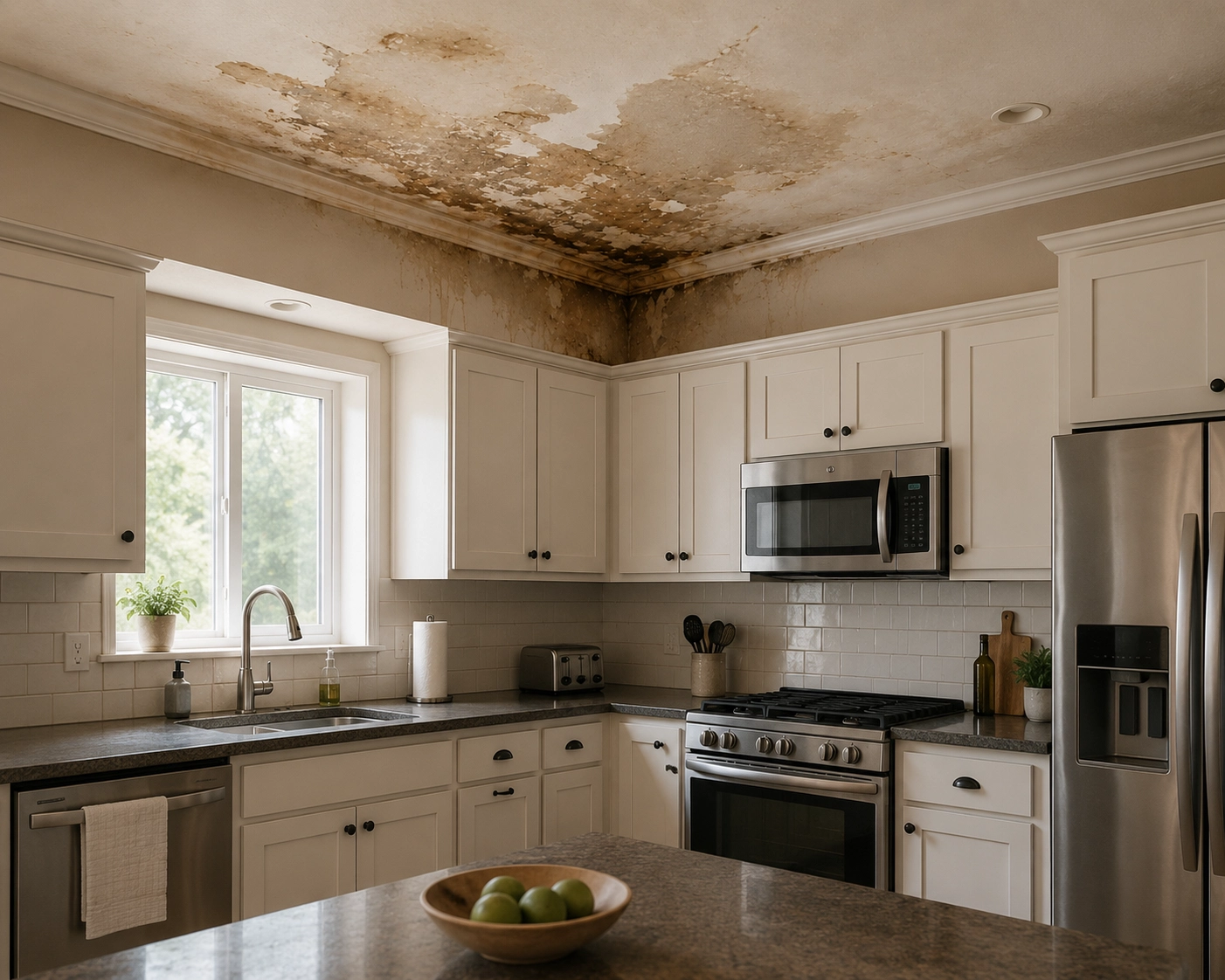
Property damage can happen without warning. Whether it’s caused by flooding, fire, storms, burst pipes, or accidental incidents, the moments immediately after the event are often stressful and confusing. While your first instinct may be to start cleaning up straight away, taking the right steps in the correct order can protect your safety, minimise further damage, and improve the chances of a successful insurance claim.
Knowing what to do immediately after property damage can save you time, reduce financial losses, and help the recovery process run more smoothly. Here’s a practical guide for UK homeowners and property owners.
Prioritise Safety First
Before thinking about repairs or contacting your insurer, ensure everyone in the property is safe.
Depending on the type of damage, there may be hazards such as:
- Exposed electrical wiring
- Gas leaks
- Structural instability
- Flood-contaminated water
- Falling debris
- Smoke or fire damage
If there is any immediate danger, leave the property and contact the relevant emergency services. Never re-enter a damaged building until it is safe to do so.
Prevent Further Damage Where Possible
Most insurance policies require homeowners to take reasonable steps to stop additional damage from occurring.
Examples include:
- Turning off the electricity if flooding has occurred.
- Shutting off the water supply after a burst pipe.
- Covering broken windows or damaged roofs with temporary protection.
- Removing valuables from affected areas.
- Using buckets or containers to catch ongoing leaks.
Only carry out temporary measures that are safe to perform. Keep receipts for any emergency materials or services, as these costs may be recoverable under your insurance policy.
Contact Your Insurance Provider Promptly
Once the property is safe, notify your insurance company as soon as possible.
When making the initial report, be prepared to provide:
- Your policy number
- The date and time of the incident
- A brief description of what happened
- The type of damage sustained
- Whether emergency repairs have been carried out
Early notification helps your insurer arrange inspections and begin processing your claim without unnecessary delays.
Document Everything Thoroughly
One of the most important steps after property damage is creating a detailed record of the losses before any significant cleaning or repairs begin.
Take:
- High-quality photographs of every affected room
- Close-up images of damaged possessions
- Videos showing the full extent of the damage
- Photos of structural issues, ceilings, walls, floors, and roofing
The more evidence you collect, the easier it becomes to support your insurance claim.
Create an Inventory of Damaged Items
Make a written list of all damaged belongings.
Include:
- Item descriptions
- Approximate purchase dates
- Estimated replacement values
- Current condition
- Supporting receipts or warranties if available
A complete inventory helps ensure nothing is overlooked during the assessment process.
Avoid Throwing Away Damaged Property Too Soon
It can be tempting to dispose of soaked furniture, damaged carpets, or broken appliances immediately.
However, insurers often need to inspect these items before authorising compensation.
Unless they present a health risk or your insurer advises otherwise, retain damaged possessions until they’ve been assessed. If disposal is unavoidable, take comprehensive photographs beforehand.
Keep Every Receipt
Property damage often results in unexpected expenses beyond repairs.
Keep receipts for costs such as:
- Emergency plumbing
- Temporary accommodation
- Cleaning services
- Dehumidifier hire
- Boarding up windows
- Roof tarpaulins
- Replacement essentials
These expenses may be covered under your policy, provided you can demonstrate they were necessary.
Don’t Begin Permanent Repairs Immediately
Emergency work to secure the property is generally encouraged, but major restoration work should usually wait until your insurer or loss adjuster has inspected the damage.
Starting permanent repairs too early can remove valuable evidence and create disputes over the extent of the damage.
Always seek approval before commencing substantial repair work whenever possible.
Understand the Role of the Loss Adjuster
For larger claims, your insurer may appoint a loss adjuster to inspect the property.
Their role typically includes:
- Assessing the cause of the damage
- Estimating repair costs
- Reviewing policy coverage
- Recommending settlement amounts
Provide clear documentation and answer questions honestly. Good preparation helps the inspection proceed efficiently.
Watch for Hidden Damage
Not all damage is immediately visible.
Problems may develop over the following weeks, including:
- Damp and mould
- Structural movement
- Electrical faults
- Timber rot
- Damaged insulation
- Lingering moisture behind walls
Professional inspections can identify hidden issues before they become more serious and expensive to repair.
Stay Organised Throughout the Claims Process
Maintaining accurate records can make your claim easier to manage.
Keep copies of:
- Insurance correspondence
- Emails and letters
- Claim reference numbers
- Repair quotations
- Contractor invoices
- Inspection reports
- Receipts and photographs
A well-organised file reduces confusion and supports your claim if questions arise later.
Consider Professional Claims Support
Some property damage claims become complicated, particularly where extensive repairs, disputed liability, or significant financial losses are involved.
Property claims specialists can assist by:
- Preparing detailed claim documentation
- Communicating with insurers
- Reviewing settlement offers
- Negotiating fair compensation
- Helping manage complex claims from start to finish
Professional guidance can reduce stress and improve confidence during the recovery process.
Final Thoughts
The steps you take immediately after property damage can significantly affect both your safety and the success of your insurance claim. Prioritising safety, documenting the damage thoroughly, taking reasonable steps to prevent further loss, and keeping detailed records can help ensure a smoother and more successful claims process. By staying organised and following the correct procedures, you’ll be in a stronger position to secure the compensation you’re entitled to.
If you’re facing a complex or disputed claim, the experts at UK Property Claims can provide professional guidance and support every step of the way. Visit our website to find out how their experienced team can help you navigate the claims process with confidence.