



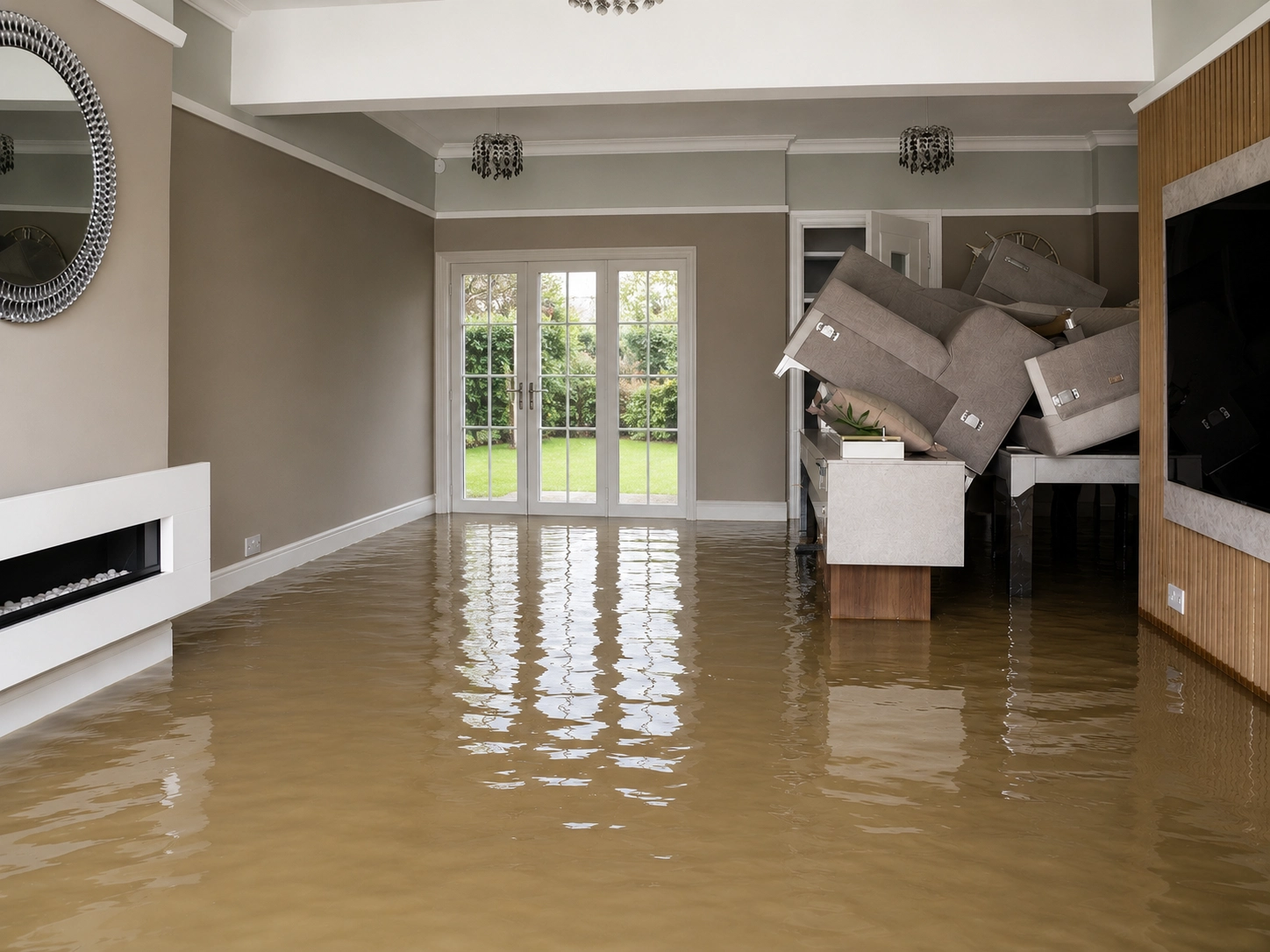
Flooding can turn your life upside down within hours. Whether caused by heavy rainfall, burst pipes, overflowing rivers, or drainage failures, the damage can be extensive and expensive. While most homeowners focus on cleaning up and restoring their property, many unknowingly make mistakes during the insurance claims process that can reduce or delay their settlement.
Understanding what to avoid can make a significant difference to the outcome of your claim. Here are the most common flood claim mistakes homeowners make and how you can avoid them.
Delaying the Insurance Claim
One of the biggest mistakes is waiting too long to notify your insurance provider. Many homeowners try to assess the damage themselves before making contact, believing they should have all the information first.
However, insurers expect claims to be reported as soon as reasonably possible. Delays can complicate the investigation and, in some cases, may even affect your eligibility for compensation.
Contact your insurer immediately after ensuring your property is safe. Early notification also allows loss adjusters to inspect the damage before repairs begin.
Throwing Away Damaged Items Too Soon
It is understandable to want to clear away ruined furniture, carpets, and personal belongings after a flood. Unfortunately, disposing of damaged items before they have been inspected can weaken your claim.
Insurers often require evidence of the damage before approving compensation.
Whenever possible:
- Take clear photographs of every damaged item.
- Record videos of each affected room.
- Keep receipts for valuable possessions.
- Only dispose of items once your insurer gives permission.
Proper documentation helps support your claim and reduces disputes.
Failing to Document the Damage
Many homeowners underestimate the importance of detailed evidence.
Before cleaning or moving anything, take photographs from multiple angles. Record water levels, structural damage, damaged decorations, flooring, electrical systems, and personal possessions.
Create a written inventory including:
- Item descriptions
- Purchase dates (if known)
- Estimated values
- Visible damage
This information makes it much easier to demonstrate the full extent of your losses.
Starting Permanent Repairs Too Early
While emergency work to make your property safe is usually encouraged, beginning full repairs before approval from your insurer can create problems.
For example, replacing flooring, plastering walls, or rebuilding damaged areas before inspection may remove vital evidence.
Instead:
- Carry out only emergency mitigation work.
- Keep all invoices for emergency repairs.
- Wait for insurer approval before major restoration begins.
This protects your claim and ensures repair costs remain recoverable.
Forgetting to Keep Receipts
Flooding often leads to unexpected expenses, including temporary accommodation, emergency plumbing, dehumidifiers, cleaning services, and replacement essentials.
Many homeowners forget to keep receipts for these additional costs.
Your insurance policy may reimburse reasonable expenses, but only if you can provide evidence.
Keep receipts for:
- Hotel accommodation
- Emergency repairs
- Cleaning services
- Drying equipment
- Replacement clothing or essentials
- Temporary storage
Good record-keeping strengthens your claim.
Accepting the First Settlement Without Review
Some homeowners assume the insurer’s first offer is final. In reality, settlement offers can sometimes overlook certain losses or underestimate repair costs.
Before accepting any payment:
- Review the damage assessment carefully.
- Compare estimates from independent contractors.
- Check that all damaged belongings are included.
- Ask questions if anything appears missing.
Seeking professional advice can help ensure your settlement accurately reflects your losses.
Not Understanding Policy Exclusions
Insurance policies vary significantly. Many homeowners discover too late that certain flood-related issues may not be fully covered.
Common exclusions may include:
- Gradual water ingress
- Poor maintenance
- Wear and tear
- Certain outbuildings
- Landscaping damage
Reading your policy carefully helps you understand your rights and avoid surprises during the claims process.
Failing to Reduce Further Damage
Most insurance policies require homeowners to take reasonable steps to prevent additional damage after flooding.
This could include:
- Turning off electricity if safe.
- Removing standing water where possible.
- Using temporary coverings.
- Ventilating affected areas.
- Arranging emergency drying equipment.
Ignoring further deterioration may affect the amount your insurer agrees to pay.
Underestimating Hidden Flood Damage
Visible water damage is only part of the problem. Floods often leave behind hidden issues that appear weeks or months later.
These include:
- Damp and mould growth
- Structural weakening
- Electrical hazards
- Timber decay
- Insulation damage
Professional inspections can identify hidden problems before they become costly repairs.
Trying to Handle Complex Claims Alone
Large flood claims can become complicated, especially when extensive structural damage, business interruption, or disputes over settlement arise.
Professional claims specialists understand how insurers assess losses and can help prepare detailed evidence, communicate with insurers, and negotiate fair settlements.
Having experienced support often reduces stress while helping homeowners achieve a more accurate outcome.
Final Thoughts
Flood damage can be overwhelming, but avoiding common claim mistakes can make the recovery process much smoother. By acting quickly, documenting all damage thoroughly, keeping receipts, and understanding your insurance policy, you can improve your chances of securing a fair settlement.
If your claim becomes complex or is disputed, the experienced team at UK Property Claims can provide expert guidance and support throughout the process. Visit our website to learn how professional claims assistance can help you maximise your compensation and restore your property with confidence.