


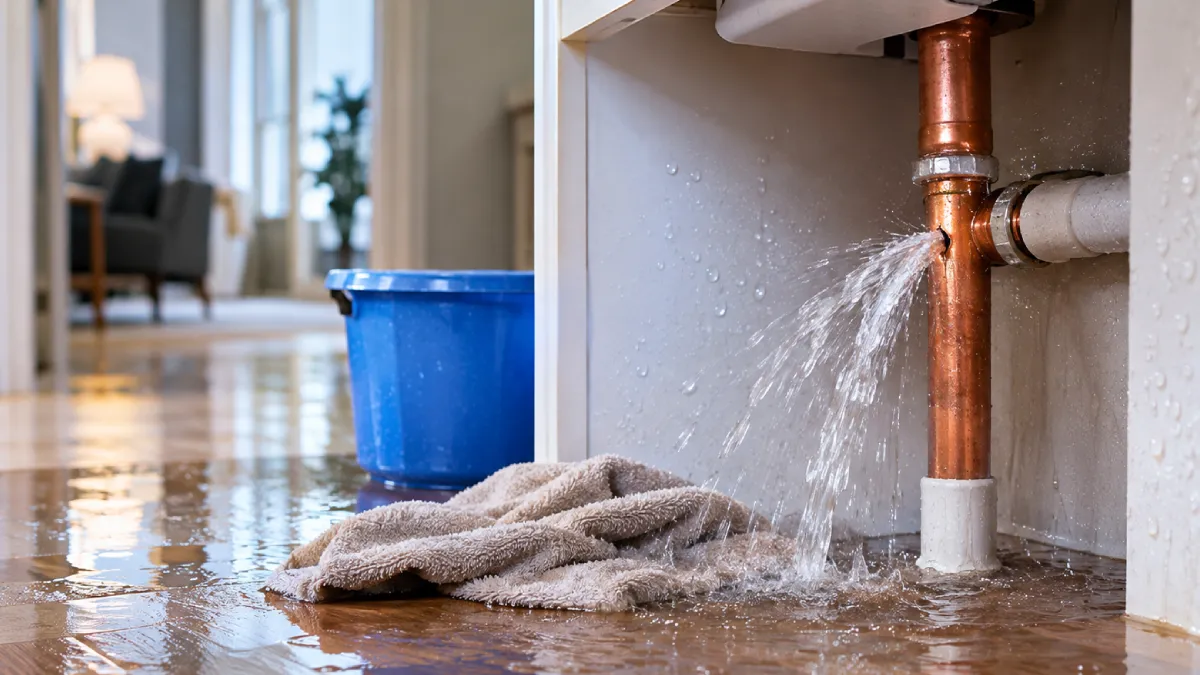
A burst pipe can cause significant damage to your property within minutes. Water can spread through ceilings, walls and flooring, damaging furniture, electrical systems and personal belongings. Even after the water supply has been turned off, hidden moisture may continue to affect the building.
Knowing what to do after a burst pipe can help you limit further damage, protect your property and prepare the evidence needed for an insurance claim.
Whether you are a homeowner, landlord or business owner, taking the right steps early can make the claims process more manageable.
In this guide, we explain how to respond to a burst pipe, what insurance may cover and how professional claims support can help.
1. Turn Off the Water Supply Immediately
The first step after discovering a burst pipe is to stop the flow of water.
Locate your property’s main stopcock and turn it off if it is safe to do so. This will help prevent additional water from entering the affected areas.
If you cannot locate the stopcock or the pipe continues to leak, contact an emergency plumber.
Where water is close to electrical sockets, appliances or wiring, avoid entering the affected area until it has been made safe. If necessary, arrange for a qualified electrician to isolate the electricity supply.
Taking immediate action can help reduce the extent of the damage and demonstrate that you have taken reasonable steps to prevent further losses.
2. Document the Burst Pipe Water Damage
Once the situation is safe, begin collecting evidence of the damage.
Photographs and videos are particularly useful when preparing a burst pipe insurance claim, as they provide a record of the property’s condition shortly after the incident.
Try to document:
- The location of the burst pipe and any visible damage
- Water-damaged walls, ceilings and flooring
- Damaged furniture, fixtures and personal belongings
- Water staining, collapsed plasterboard or damaged decorations
- Any visible signs of moisture spreading into adjoining rooms
Keep receipts for emergency plumbing, temporary repairs and other necessary expenses.
Where possible, retain damaged materials or items until your insurer has confirmed whether they need to be inspected.
A clear record of the incident can help support your claim and reduce the likelihood of disagreements about the extent of the damage.
3. Contact Your Insurance Provider
After taking immediate safety precautions, notify your insurer as soon as reasonably possible.
Explain when you discovered the burst pipe, what happened and which parts of the property have been affected.
Your insurer may ask for photographs, a plumber’s report, repair estimates or other supporting documentation.
It is important to understand that insurance policies vary. Some provide extensive protection against escape of water, while others include exclusions, excesses or conditions relating to maintenance.
For assistance with the process, explore our Burst Pipe Insurance Claims service.
UK Property Claims can help assess the damage, prepare supporting documentation and communicate with your insurer throughout the claim.
4. Check What Your Insurance Policy Covers
One of the most common questions following a plumbing emergency is: Does home insurance cover burst pipes?
Many UK buildings insurance policies include escape of water cover for sudden and unexpected damage caused by a burst pipe.
Depending on your policy, this may include:
Damage to Walls, Ceilings and Flooring
Water can damage plaster, insulation, timber, carpets and floor coverings.
Your policy may cover the reasonable costs of repairing or replacing affected building materials following an insured incident.
Drying and Restoration Costs
Professional drying may be necessary when water has entered walls, floors or structural materials.
Drying equipment, moisture monitoring and associated restoration work may be covered where they are necessary and fall within the policy terms.
Trace and Access Costs
If the damaged pipe is concealed behind a wall or beneath a floor, specialist investigation may be required.
Some policies include trace and access cover, which can contribute towards the cost of locating the leak and gaining access to the damaged pipework.
Our Leak Detection service can help identify concealed water leaks and provide information relevant to a claim.
Damaged Contents
Furniture, electronics, clothing and other belongings may be covered under a separate contents insurance policy.
It is important to check whether you have buildings insurance, contents insurance or a combined policy.
Remember that the cost of repairing the pipe itself may be treated differently from the resulting water damage.
5. Arrange a Professional Damage Assessment
Not all water damage is immediately visible.
Water can travel beneath flooring, behind kitchen units, through insulation and into adjoining rooms.
Even when a wall or ceiling appears dry, moisture may remain trapped inside building materials.
A professional assessment can help identify the full extent of the damage before repair work begins.
This may involve moisture readings, inspecting affected building materials and identifying areas requiring specialist drying.
For larger incidents, professional Drying and Dehumidifier Hire may be required to help restore appropriate moisture levels.
Identifying hidden damage early can help prevent incomplete repairs and reduce the risk of further deterioration.
6. Avoid Starting Major Repairs Too Early
Although it is important to prevent further damage, starting extensive repairs before the damage has been assessed can create complications.
For example, removing flooring, replacing plasterboard or redecorating without recording the original condition may make it harder to demonstrate what was damaged.
Emergency work needed to make the property safe should not be delayed unnecessarily.
However, where possible, obtain the insurer’s agreement before undertaking major non-emergency restoration work.
Keep detailed records of any work carried out, including invoices, photographs and contractor reports.
7. Understand the Burst Pipe Insurance Claim Process
The exact process depends on your insurer and the severity of the damage, but a typical claim may involve several stages.
Initial Notification
You report the incident and provide basic information about the cause and damage.
Damage Assessment
The insurer or its appointed representative assesses the damage and determines what further evidence is required.
Claim Review
The insurer considers the circumstances of the incident, your policy wording and the proposed repair costs.
Settlement or Authorised Repairs
Once the claim is agreed, the insurer may arrange repairs through an approved contractor or offer a financial settlement.
Property Restoration
The affected areas are dried, repaired and reinstated as appropriate.
Where the damage is extensive, this process can involve multiple contractors and several stages of work.
8. Common Problems With Burst Pipe Insurance Claims
Some claims are straightforward, while others involve disputes or delays.
Common issues include:
Disagreements about the cause: An insurer may investigate whether the pipe burst suddenly or whether deterioration and poor maintenance contributed to the incident.
Hidden water damage: The original assessment may not identify moisture beneath flooring or behind walls.
Repair cost disagreements: Estimates may differ over the extent of necessary drying, replacement materials or reinstatement work.
Policy exclusions: Cover may be restricted by conditions relating to unoccupied properties, maintenance or gradual deterioration.
Where there is uncertainty about the claim, obtaining an independent assessment can help clarify the extent of the damage and the work required.
9. How a Loss Assessor Can Help After a Burst Pipe
Managing a substantial water damage claim can be time-consuming, particularly when several rooms have been affected.
A loss assessor represents the policyholder rather than the insurer.
UK Property Claims provides professional Burst Pipe Insurance Claims support, including damage assessment, evidence preparation, insurer communication and negotiation.
Where required, the team can also help coordinate drying and reinstatement works.
Having professional support can be particularly valuable when the damage is extensive, hidden moisture is suspected or the proposed settlement does not appear to reflect the necessary repair work.
Frequently Asked Questions
You should notify your insurer as soon as reasonably possible after discovering the damage. Many policies require prompt notification. Before calling, make sure the property is safe, stop the water supply where possible and gather initial photographs. Do not delay reporting simply because you have not yet obtained every repair estimate.
Many home insurance policies cover sudden and accidental escape of water damage. This may include repairs to walls, ceilings, floors and other insured building materials. However, cover depends on the circumstances and policy wording, including any exclusions for gradual deterioration, poor maintenance or unoccupied properties.
Damage caused by frozen or burst pipes may be covered under your buildings insurance. However, some policies contain conditions about maintaining heating or draining water systems when a property is unoccupied. Check your policy carefully and retain evidence of the incident and any preventive measures taken.
Drying times depend on the amount of water, affected materials, ventilation and the extent of moisture penetration. Some properties require only limited drying, while extensive incidents may take several weeks. Professional moisture monitoring can help determine when affected materials are sufficiently dry for reinstatement.
Ask your insurer for a written explanation identifying the policy terms relied upon. Review the decision alongside any plumbing reports, photographs and independent assessments. You can raise a formal complaint if you disagree and may be able to refer an eligible unresolved complaint to the Financial Ombudsman Service.
A loss assessor can be helpful when damage is extensive, repairs are complicated or there is disagreement about the proposed settlement. They can assess the damage, organise evidence and negotiate with your insurer. Before appointing one, check their services, fees and terms of engagement.
Get Professional Help With Your Burst Pipe Insurance Claim
A burst pipe can leave you dealing with emergency repairs, extensive water damage and a complicated insurance claim.
UK Property Claims supports homeowners, landlords and businesses throughout the claims process, helping ensure that damage is properly assessed and documented.
If your property has suffered water damage, explore our Burst Pipe Insurance Claims service or contact our team to discuss your circumstances.
Call 0800 121 4452 for assistance with your property insurance claim.